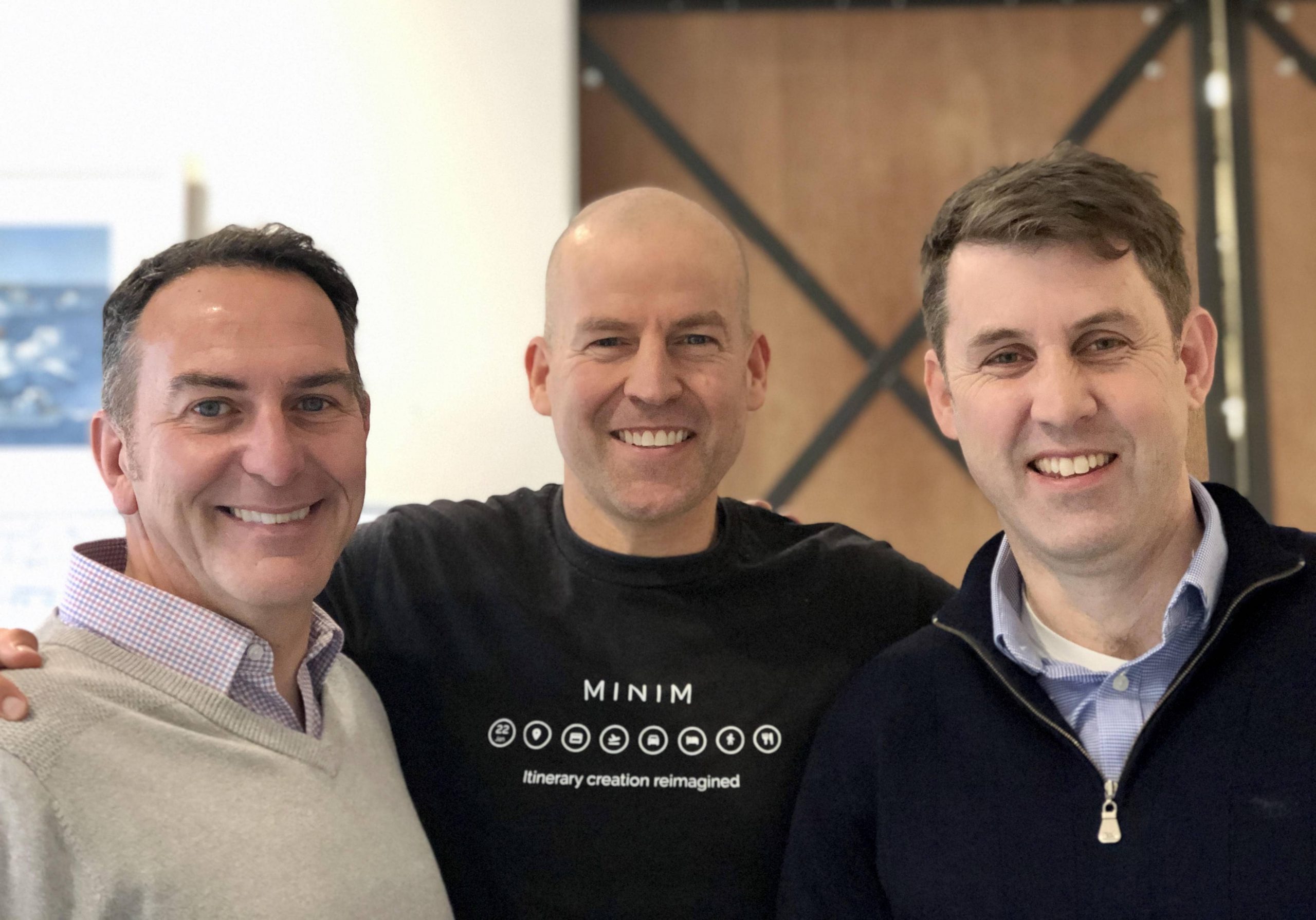
In 2003, Denise Campbell, Simon Hertnon, and I were scaling a New Zealand tour operation. The logo on our first website was functional. We had bigger problems to solve.
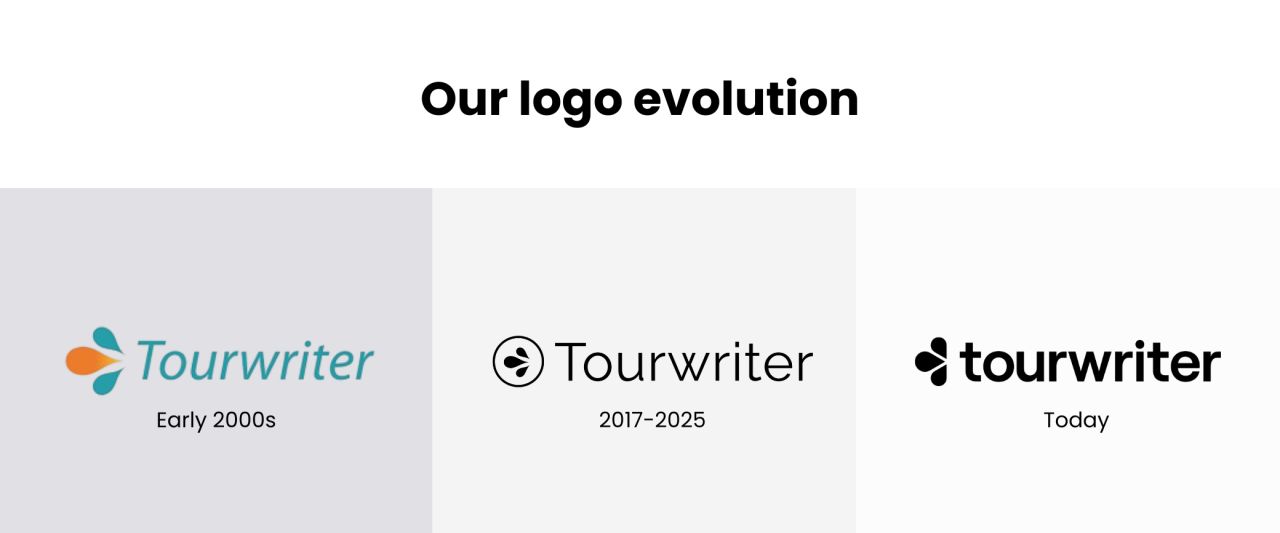
When we founded Tourwriter in 2004, the identity reflected where the industry was. Blue and orange, a sense of forward motion. We were helping operators move from paper-based systems into digital itinerary design for the first time. The problem was clear and the energy felt right.
We sold the tour operation to focus on the software. Tourwriter became the product, and for the next twenty-two years we have been watching the industry it serves change in ways we could not have predicted in 2004.
The industry that changed around us
The operators we worked with in those early years were running on spreadsheets, printed folders, and phone calls to suppliers. Speed and presentation mattered most. Get the content organised. Get the itinerary out the door. Get the proposal looking professional enough to close the booking.
Twenty-two years on, the operators who use Tourwriter are asking different questions. Margin analysis across a season. Supplier performance over time. Workflow design for a team spread across three time zones. The problems have grown in complexity. The decisions carry more weight.
A brand that signalled fresh-faced energy no longer matched what we were actually doing.
What changed, and why
The second identity, introduced in 2017, dropped the gradients and the movement. A clean black wordmark. Confidence without performance. The clients had changed too. Boutique operators and DMCs doing careful, specific work do not need to be dazzled. They need to trust what they are looking at.
That identity served us well for eight years. It carried Tourwriter through real growth: new markets, a London office, a customer base that now spans forty-plus countries.
The current identity takes that thinking further. The symbol is more considered, the typography carries more weight. Every change was deliberate. The refinement reflects where Tourwriter actually is today: a platform that serious operators choose when they are ready to build a business that runs, scales, and sells on its own terms.
What has not changed
The founding idea has held across all three versions of this brand. Good software should carry weight so the operator does not have to.
I have spent two decades in conversation with travel designers, DMCs, and boutique operators across more than forty countries. The itinerary is rarely the hardest part. The harder work is in the accumulation of decisions that determine whether a business grows cleanly or gets buried in its own complexity. Pricing logic. Supplier relationships. How work moves through a team. The things that compound over time.
Tourwriter was built for operators who take that seriously. Operators who want software that understands the specifics of bespoke luxury travel, not generic workflow tools dressed up for the industry.
The logo has evolved to reflect a company that has too.
If you are thinking about the next stage of your operation, we would welcome the conversation.